Structure
Car Park Contractor in Malaysia
Feb 10 2026
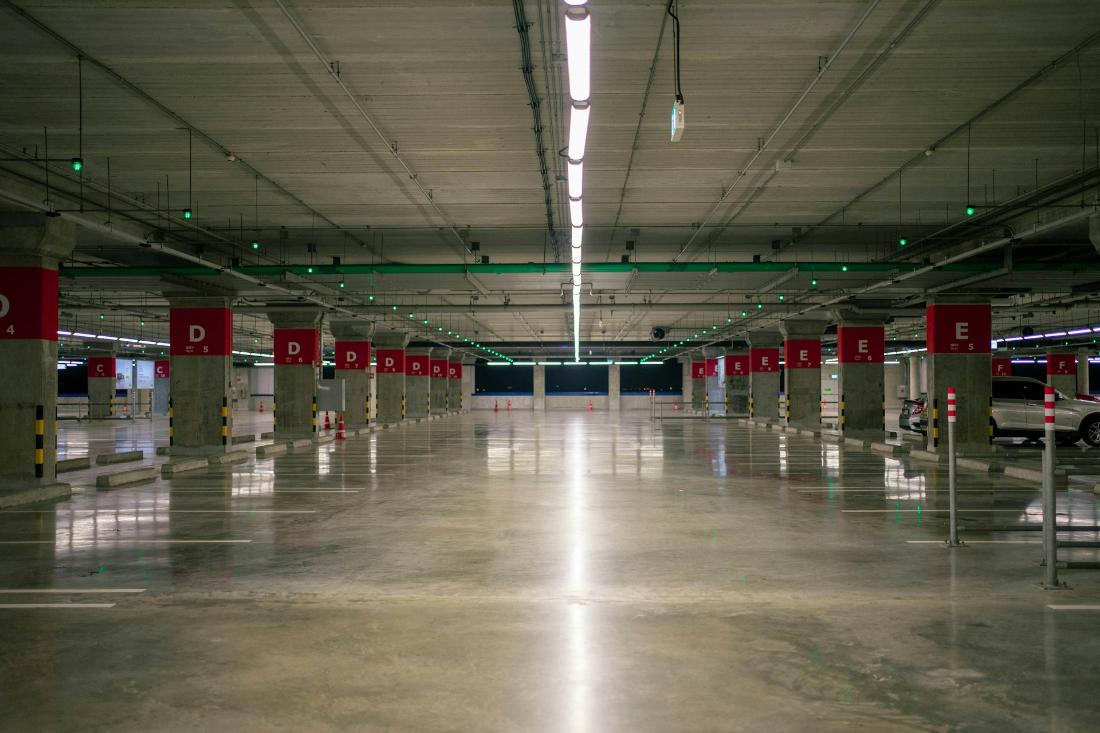
In the bustling heart of Kuala Lumpur or the thriving commercial hubs of Penang and Johor Bahru, the true test of a development’s functionality often begins not at its grand lobby, but in the dimmer, pragmatic world below or beside it: the car park. This space, frequently an afterthought in the public imagination, is in fact a complex feat of civil engineering, user experience design, and long-term asset management. It is the first and last interaction thousands have with a shopping mall, office tower, or residential condo daily. The quality of this experience—marked by safety, efficiency, and durability—is a direct reflection of the expertise behind its creation. This is the domain of the specialised car park contractor in Malaysia. Far more than a civil engineering firm, this contractor is a master of traffic flow, a guardian of structural longevity, and a technological integrator who understands that a well-built car park is not a cost centre, but a critical revenue-generating asset and a powerful contributor to a development’s overall reputation.
The journey of building a modern car park in Malaysia begins with a fundamental shift in perspective. No longer just a necessary slab of concrete to house vehicles, it is now conceived as a multi-layered system with competing demands. The contractor must balance the relentless structural load of hundreds of tonnes of vehicles with the need for long, clear spans to allow for flexible parking layouts. They must design for the brutal chemical assault from oil drips, tyre rubber, and road salts, all under the constant stress of Malaysia’s humid, tropical climate which accelerates material degradation. Simultaneously, they must engineer for human psychology—creating clear sightlines, intuitive wayfinding, and a sense of security that makes users feel safe, not anxious. A proficient contractor approaches the project holistically, seeing it as an integrated puzzle where civil, mechanical, electrical, and architectural disciplines must interlock perfectly from the very first blueprint.
The structural design and construction phase is where the contractor’s core engineering prowess is paramount. The choice of system—whether a conventional reinforced concrete flat slab, a more efficient post-tensioned slab that allows for thinner decks and longer spans, or a precast concrete system for faster construction—is a critical early decision. Each has implications for cost, construction time, and final column spacing, which directly impacts the number of parking bays achievable. The contractor must execute this with millimetric precision. The slab’s camber and gradient, for instance, are not arbitrary. They must be calculated to provide positive drainage towards designated outlets, preventing the dangerous and unsightly pooling of water during heavy rains, a non-negotiable feature in the monsoon climate. The durability of the concrete itself is a science, often involving specially formulated mixes with additives to reduce permeability and increase resistance to chemical attack, ensuring the structure withstands decades of daily wear.
The journey of building a modern car park in Malaysia begins with a fundamental shift in perspective. No longer just a necessary slab of concrete to house vehicles, it is now conceived as a multi-layered system with competing demands. The contractor must balance the relentless structural load of hundreds of tonnes of vehicles with the need for long, clear spans to allow for flexible parking layouts. They must design for the brutal chemical assault from oil drips, tyre rubber, and road salts, all under the constant stress of Malaysia’s humid, tropical climate which accelerates material degradation. Simultaneously, they must engineer for human psychology—creating clear sightlines, intuitive wayfinding, and a sense of security that makes users feel safe, not anxious. A proficient contractor approaches the project holistically, seeing it as an integrated puzzle where civil, mechanical, electrical, and architectural disciplines must interlock perfectly from the very first blueprint.
The structural design and construction phase is where the contractor’s core engineering prowess is paramount. The choice of system—whether a conventional reinforced concrete flat slab, a more efficient post-tensioned slab that allows for thinner decks and longer spans, or a precast concrete system for faster construction—is a critical early decision. Each has implications for cost, construction time, and final column spacing, which directly impacts the number of parking bays achievable. The contractor must execute this with millimetric precision. The slab’s camber and gradient, for instance, are not arbitrary. They must be calculated to provide positive drainage towards designated outlets, preventing the dangerous and unsightly pooling of water during heavy rains, a non-negotiable feature in the monsoon climate. The durability of the concrete itself is a science, often involving specially formulated mixes with additives to reduce permeability and increase resistance to chemical attack, ensuring the structure withstands decades of daily wear.

However, the bones of the structure are only the beginning. The surface upon which vehicles drive and park is a specialised battlefield. This is where the contractor’s expertise in industrial flooring comes to the fore. A standard concrete finish is inadequate; it will dust, stain, and deteriorate quickly. The industry standard is the application of a hard-wearing, sealed surface. This often involves power floating the concrete to a dense, smooth finish and then applying a penetrating sealant or a topical epoxy coating. For higher-end or heavy-traffic areas, contractors install polyurethane or polyaspartic flake coatings. These systems create a seamless, chemical-resistant, and easy-to-clean surface that is also aesthetically customizable with colour chips. Crucially, they incorporate anti-slip aggregates to maintain safety when the surface is wet. The correct specification and flawless application of this flooring system are what prevent a car park from becoming a crumbling, stained, and hazardous environment within a few years of opening.
The functionality and user experience of a car park are largely dictated by its traffic management and wayfinding systems, an area where the contractor must collaborate closely with specialist suppliers. The layout itself is an exercise in geometric efficiency, maximising bay count while ensuring comfortable circulation lanes for vehicles, including wider lanes for accessible parking. The contractor is responsible for implementing a clear, coherent signage hierarchy: from entrance and level identification, to directional arrows and bay markings, all executed with high-retroreflectivity paint or pre-formed thermoplastic for longevity. In modern developments, this extends to installing technological guidance systems. These include overhead ultrasonic or camera-based sensors at each bay, connected to a central system that guides drivers to available spaces via dynamic signage, reducing congestion and user frustration. The contractor’s role is to ensure this sensitive technology is installed, wired, and integrated seamlessly into the built environment, protected from the vibrations and humidity of the car park.
Lighting and ventilation are the two systems most directly responsible for the ambient feel and safety of the space, and here the contractor’s focus is on efficiency and reliability. Lighting must be uniform, bright, and shadow-free to enhance security and comfort. The modern standard is a shift to full LED systems, which provide excellent luminosity with a fraction of the energy consumption and heat generation of old fluorescent or metal halide lights. Contractors design the layout to meet specific lux level requirements, ensuring no dark corners exist. Ventilation, often mandated by local building codes and fire department (Bomba) regulations, is critical for dispersing vehicle exhaust fumes. Contractors install massive axial fans or jet fans in a calculated pattern to achieve the required air changes per hour. In smarter setups, these are connected to carbon monoxide sensors that modulate fan speed based on real-time air quality, saving energy when the car park is less occupied. The integration of these M&E systems into the structural fabric, with careful routing of ducts and conduits, is a key coordination task.
The functionality and user experience of a car park are largely dictated by its traffic management and wayfinding systems, an area where the contractor must collaborate closely with specialist suppliers. The layout itself is an exercise in geometric efficiency, maximising bay count while ensuring comfortable circulation lanes for vehicles, including wider lanes for accessible parking. The contractor is responsible for implementing a clear, coherent signage hierarchy: from entrance and level identification, to directional arrows and bay markings, all executed with high-retroreflectivity paint or pre-formed thermoplastic for longevity. In modern developments, this extends to installing technological guidance systems. These include overhead ultrasonic or camera-based sensors at each bay, connected to a central system that guides drivers to available spaces via dynamic signage, reducing congestion and user frustration. The contractor’s role is to ensure this sensitive technology is installed, wired, and integrated seamlessly into the built environment, protected from the vibrations and humidity of the car park.
Lighting and ventilation are the two systems most directly responsible for the ambient feel and safety of the space, and here the contractor’s focus is on efficiency and reliability. Lighting must be uniform, bright, and shadow-free to enhance security and comfort. The modern standard is a shift to full LED systems, which provide excellent luminosity with a fraction of the energy consumption and heat generation of old fluorescent or metal halide lights. Contractors design the layout to meet specific lux level requirements, ensuring no dark corners exist. Ventilation, often mandated by local building codes and fire department (Bomba) regulations, is critical for dispersing vehicle exhaust fumes. Contractors install massive axial fans or jet fans in a calculated pattern to achieve the required air changes per hour. In smarter setups, these are connected to carbon monoxide sensors that modulate fan speed based on real-time air quality, saving energy when the car park is less occupied. The integration of these M&E systems into the structural fabric, with careful routing of ducts and conduits, is a key coordination task.
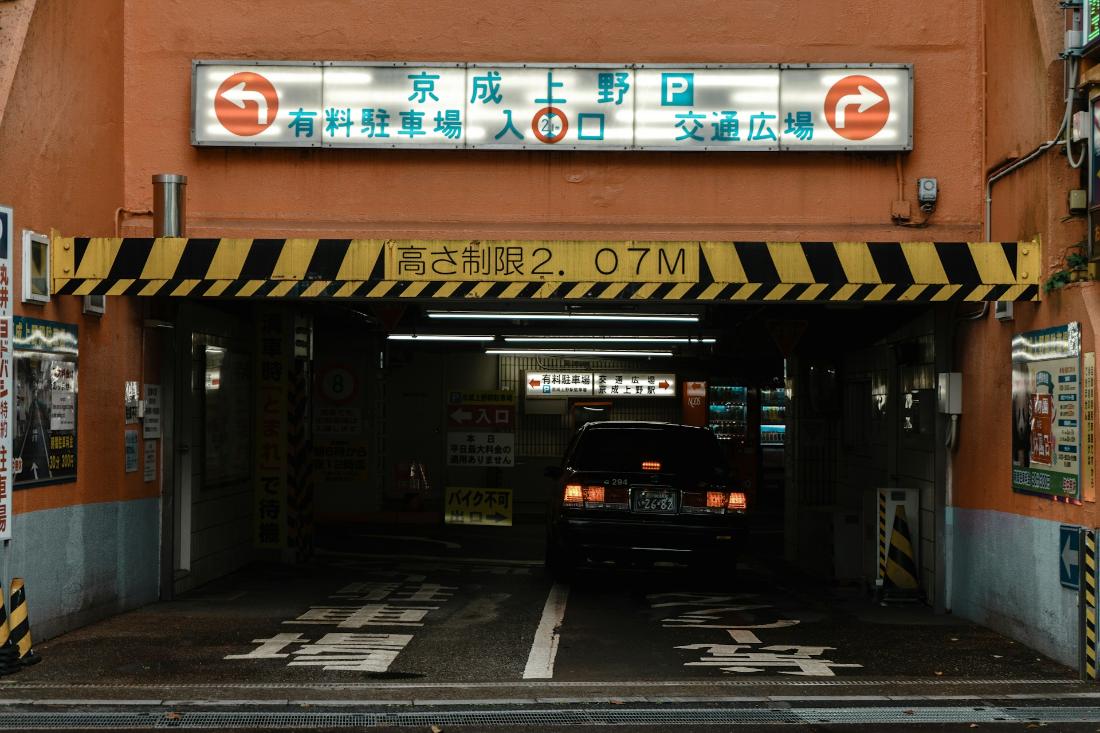
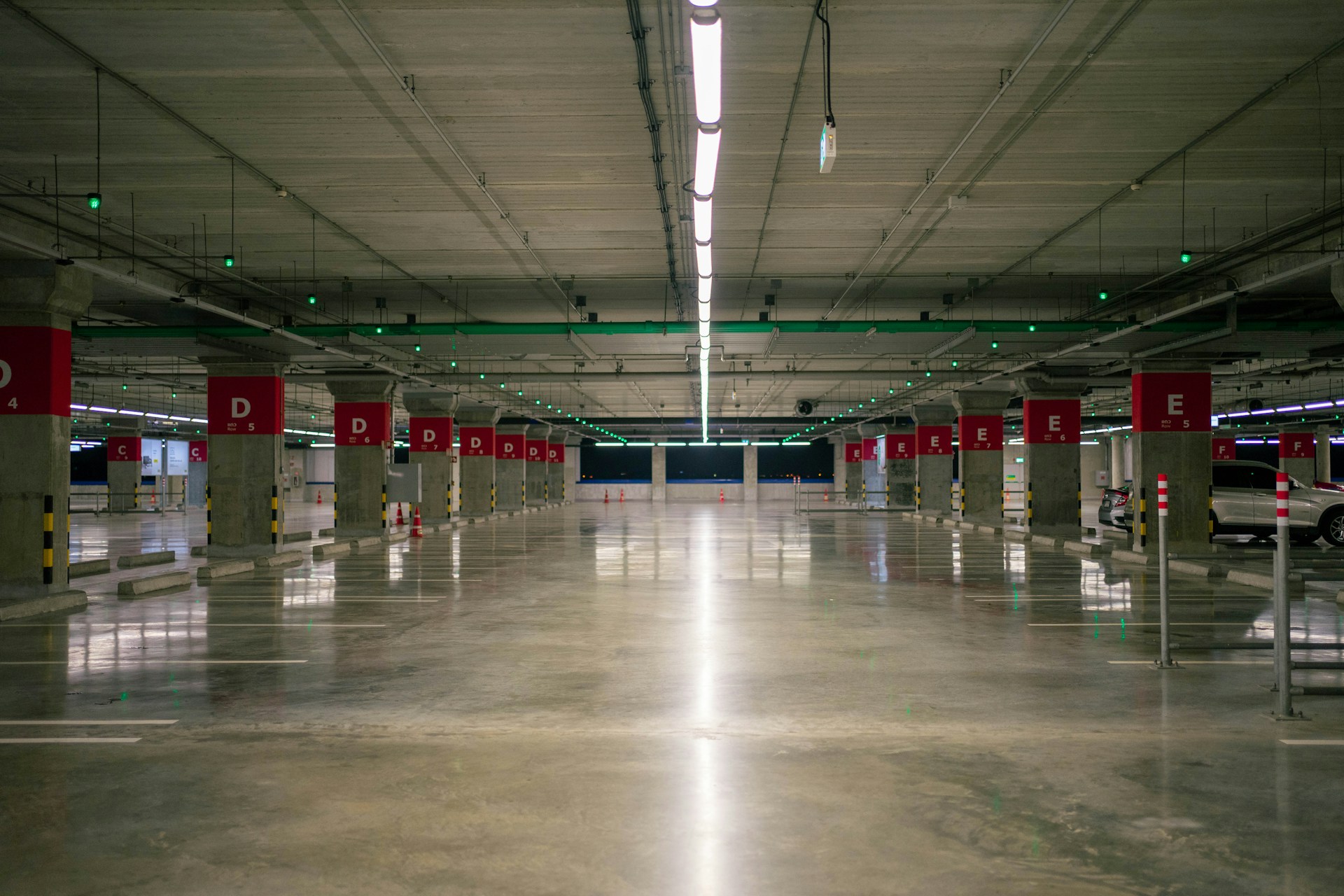

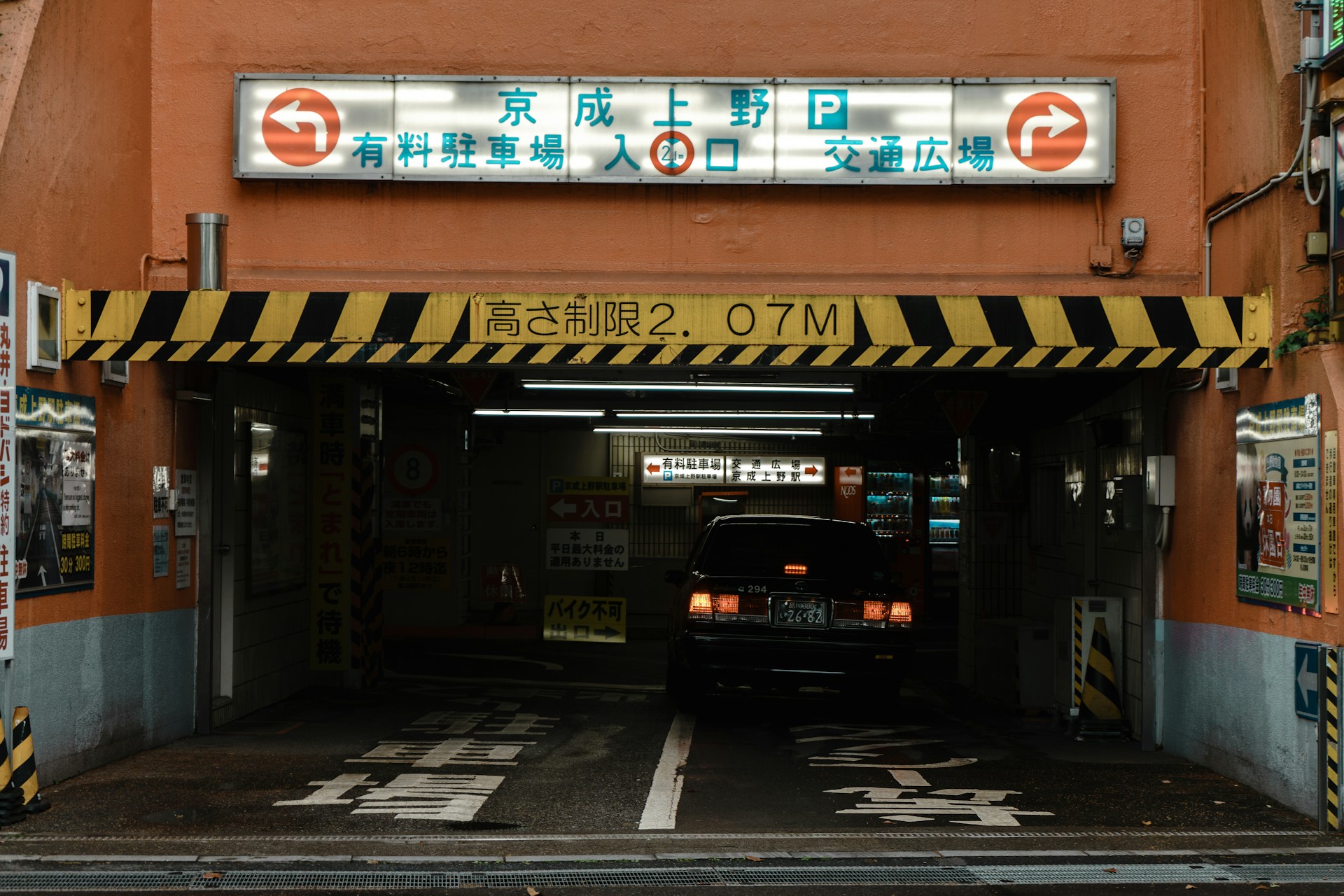
In the era of smart cities, the car park contractor’s role is expanding into the realm of technology integration and revenue management. The basic ticket barrier system has evolved into a sophisticated access and payment ecosystem. Contractors now work with specialists to install and integrate license plate recognition (LPR) cameras, RFID tag readers for season parkers, and cashless payment kiosks or app-based systems. For mixed-use developments, they may implement a parking guidance system (PGS) that not only shows space availability but can integrate with building management systems to streamline the user journey from street to suite. Furthermore, the rise of electric vehicles (EVs) presents a new frontier. Forward-thinking contractors are now involved in pre-wiring or fully installing EV charging stations, planning for adequate electrical load distribution, and future-proofing the facility for the inevitable increase in EV adoption. This technological layer turns the car park from a static facility into an intelligent node in a larger urban mobility network.
Ultimately, the value of engaging a specialist car park contractor lies in their ability to deliver a total asset, not just a constructed space. They bring a lifecycle perspective, understanding that choices made during construction dictate maintenance costs and operational viability for decades. A poorly designed drainage system leads to perpetual flooding complaints. Inadequate lighting results in security issues and user aversion. A substandard floor coating necessitates expensive resurfacing within a few years. A professional contractor mitigates these risks through expert design, quality materials, and precise execution. They navigate the complex web of local authority approvals and Bomba certifications. They provide warranties on their work and often advise on long-term maintenance regimes. In a competitive real estate market, a smooth, safe, and efficient car park is a silent ambassador for the entire development. It speaks of quality, foresight, and respect for the end-user. The car park contractor, therefore, is the essential partner in building this critical piece of urban infrastructure, ensuring that the gateway to a development is not a bottleneck of frustration, but a seamless, durable, and well-engineered preface to the experience within.
Ultimately, the value of engaging a specialist car park contractor lies in their ability to deliver a total asset, not just a constructed space. They bring a lifecycle perspective, understanding that choices made during construction dictate maintenance costs and operational viability for decades. A poorly designed drainage system leads to perpetual flooding complaints. Inadequate lighting results in security issues and user aversion. A substandard floor coating necessitates expensive resurfacing within a few years. A professional contractor mitigates these risks through expert design, quality materials, and precise execution. They navigate the complex web of local authority approvals and Bomba certifications. They provide warranties on their work and often advise on long-term maintenance regimes. In a competitive real estate market, a smooth, safe, and efficient car park is a silent ambassador for the entire development. It speaks of quality, foresight, and respect for the end-user. The car park contractor, therefore, is the essential partner in building this critical piece of urban infrastructure, ensuring that the gateway to a development is not a bottleneck of frustration, but a seamless, durable, and well-engineered preface to the experience within.